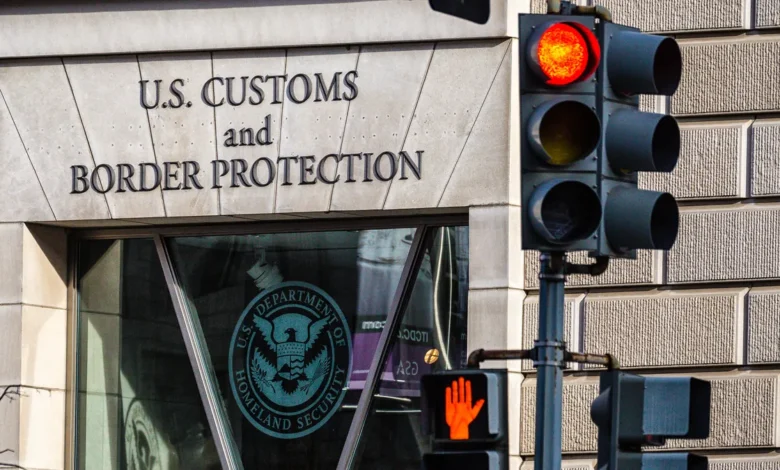
U.S. Customs and Border Protection (CBP) has announced a significant milestone in its ongoing effort to reimburse businesses impacted by tariffs enacted under the International Emergency Economic Powers Act (IEEPA), which were invalidated by a landmark Supreme Court ruling in February 2026. According to a formal court filing, the agency will begin accepting applications for refunds on certain "finally liquidated" entries starting October 6, 2026. This move represents the third phase of the agency’s rollout of the Consolidated Administration and Processing of Entries (CAPE) portal, a specialized digital infrastructure designed to streamline the complex reimbursement process.
The shift marks a critical transition for importers who have been navigating the fallout of the Supreme Court’s decision, which struck down the IEEPA-based tariffs as unconstitutional. While the federal government has already disbursed substantial sums, the inclusion of finally liquidated entries—those where the duty amount has been officially determined and the entry period is closed—has been a major point of contention between the Department of Justice (DOJ) and the trade community.
The Mechanism of Reimbursement and Eligibility Requirements
Under the new guidance provided by Brandon Lord, executive director of CBP’s Trade Programs Directorate, the eligibility criteria for the upcoming phase are precise. Businesses that submitted a valid importer of record number to the CBP by the end of July 2026 are permitted to seek refunds for finally liquidated entries through the CAPE portal.
However, the agency has maintained a strict demarcation for later submissions. Importers seeking refunds for entries finalized after July 30, 2026, are currently in a state of administrative limbo; the court filing confirms that instructions for these claims are forthcoming but offers no definitive timeline for their release. This gap in the rollout underscores the logistical hurdles the CBP faces as it manages a massive volume of claims while simultaneously defending its administrative process in court.
Industry experts suggest that while this is a positive step, companies should exercise extreme caution. Pete Mento, managing director of global trade advisory services at Baker Tilly, noted on LinkedIn that the announcement, while meaningful, does not grant a "blank check" to all affected parties. Mento emphasized that businesses must meticulously review the eligibility requirements before initiating the refund process, particularly because the status of ongoing litigation and specific court orders remains a primary determinant of whether a company is legally entitled to recover its funds.
Chronology of the IEEPA Tariff Dispute
The path to these refunds has been long and fraught with legal challenges. The genesis of the current situation lies in the Supreme Court’s February 2026 ruling, which effectively dismantled the legal framework supporting the IEEPA tariffs.
- February 2026: The Supreme Court issues a decision invalidating the tariffs, creating an immediate need for a federal refund mechanism.
- Early 2026: The CBP launches the initial two phases of the CAPE portal, focusing on unliquidated and active entries.
- July 2026: The agency originally targeted this month for the implementation of the third phase—the inclusion of finally liquidated entries—but was forced to delay due to administrative and legal complexities.
- September 11, 2026: CBP reports that it has accepted approximately $134.7 billion in potential and certified refunds, with $122 billion already transmitted to the U.S. Treasury for disbursement.
- October 6, 2026: The scheduled launch of the third phase of CAPE, covering finally liquidated entries for those who met the July registration deadline.
Supporting Data and Financial Scope
The scale of the financial restitution associated with the IEEPA tariffs is unprecedented in modern trade history. As of September 11, 2026, the CBP has paid out roughly $22 million in direct tariff refunds. However, the total potential liability remains significantly higher. The $134.7 billion in potential and certified claims processed through the CAPE system reflects the breadth of the economic impact across various sectors, including manufacturing, retail, and technology.

The third phase, which targets finally liquidated entries, is estimated to cover approximately $11.4 billion, or roughly 6.9% of the total IEEPA-related tariffs. The sheer volume of data involved—reconciling individual import entries with the specific tariff codes and dates invalidated by the Court—explains the phased approach adopted by the CBP. The agency is attempting to prevent system overloads while ensuring that the distribution of funds remains compliant with federal auditing standards.
The Legal Conflict: DOJ vs. Importers
Despite the progress in the CAPE portal’s functionality, the legal battle continues to simmer. The Department of Justice has been aggressive in its efforts to narrow the scope of the refund order. Specifically, the DOJ has appealed a court ruling that mandated the inclusion of both unfinalized and finally liquidated entries.
The government’s primary argument is one of jurisdiction. The DOJ contends that the court lacks the authority to issue a universal, blanket refund order that covers all finally liquidated entries. Instead, the government asserts that the relief should be restricted to the parties that have actively initiated litigation against the government. This stance creates a bifurcated landscape where the ability of a company to recover its tariffs may depend heavily on whether it has joined a specific lawsuit or is acting as an individual claimant.
This adversarial environment has led to a great deal of uncertainty for businesses. Companies that have not yet engaged in litigation are currently waiting to see if the DOJ’s appeal will successfully restrict the scope of the refunds or if the court will uphold the broader interpretation that favors the entire importing community.

Implications for the Global Supply Chain
For the global supply chain, the implications of the IEEPA refund process are profound. Many businesses have had their working capital tied up in these tariffs for years. The ability to recover these funds is not merely a matter of accounting; for many mid-sized importers, these refunds represent the difference between maintaining operations and scaling back.
Furthermore, the complexity of the CAPE portal and the evolving requirements highlight the need for robust trade compliance departments. As the CBP continues to refine its digital tools, companies must ensure their data management systems are synchronized with the agency’s requirements. Any discrepancy in an "importer of record" number or a failure to meet a filing deadline can result in significant delays, or worse, the total forfeiture of a refund claim.
Looking forward, the trade community remains watchful of the DOJ’s next moves. Should the government win its appeal, the result could be a narrowing of the refund pool, potentially leaving thousands of companies without recourse despite the Supreme Court’s original ruling. Conversely, a victory for the importers would set a strong precedent for administrative transparency and the government’s obligation to return funds collected under invalidated executive actions.
The October 6 rollout of the third phase of CAPE is a positive signal that the administrative gears are turning, yet it is only one chapter in a larger story. Importers are encouraged to consult with legal and trade counsel to navigate the intersection of the new digital filing capabilities and the ongoing judicial review. As the CBP works to clear the massive backlog of $134.7 billion in claims, the industry continues to balance cautious optimism with the reality of a complex and shifting legal landscape.